



Brake Hose Sizes: What 3.2 mm, 4.8 mm, and 6.3 mm Mean
Release Time:
Sep 08,2026
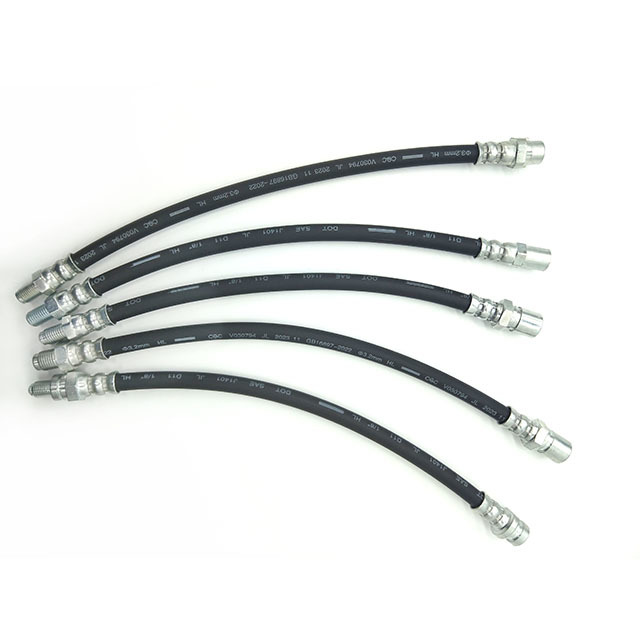
Brake hoses come in three common inner diameters, and the number matters more than the outside look of the hose. The 3.2 mm size covers passenger cars and motorcycles, 4.8 mm serves heavy SUVs, and 6.3 mm handles buses and trucks, each with its own burst rating. This guide explains what the inner diameter controls and which size belongs on your inquiry.

The first number on a brake hose inquiry is the inner diameter, and it is the easiest one to get wrong. The hoses look similar from the outside. The bore decides whether the assembly belongs on a passenger car or a truck, and whether the brake system gets the fluid flow it needs. Three sizes cover most of the road: 3.2 mm, 4.8 mm, and 6.3 mm.
Inner diameter sets the flow
Brake fluid moves through the hose every time the pedal goes down. A 3.2 mm bore moves enough fluid for a car's four calipers. A long wheelbase, a heavy platform, or a bus with long lines asks for more flow, and the bigger bores exist for that reason. The diameter is matched to the brake system it serves. That is why the sizes line up with vehicle classes instead of being free options.
The three sizes on the road
Three product lines cover the range, and each carries its own burst rating on the spec sheet:
- 3.2 mm inner diameter serves passenger cars and motorcycles. The low-expansion assembly in this size is rated to a minimum 80 MPa burst.
- 4.8 mm inner diameter serves heavy SUVs, rated to 60 MPa.
- 6.3 mm inner diameter serves buses and trucks, rated to 50 MPa.
Compare burst within the same size
Reading down the table, the burst numbers shrink as the bore grows: 80, 60, 50 MPa. That is a size-specific design, not a quality ranking. A 50 MPa rating is the certified minimum for a hose built around a 6.3 mm bore, and all three ratings sit far above the pressures a road braking system generates in service. When you compare suppliers, compare burst within the same size. Comparing a 3.2 mm hose at 80 MPa against a 6.3 mm hose at 50 MPa mixes two different products.
Ordering by the numbers
An inquiry with the right numbers saves two rounds of emails. Measure the old hose before you write: inner diameter, outer diameter, overall length, and the fitting at each end, thread type and angle included. If the old hose is gone, the vehicle model and year start the conversation, but the physical numbers get you a confirmed match. Send those four figures to any supplier and compare what comes back.
Browse the standard brake hose assemblies for the full range and the low expansion assemblies for the 3.2 mm passenger car line. The 4.8 mm heavy SUV assemblies are listed on the same site. Send us the inner diameter, length, and fitting from your old hose, and we will confirm the match before you order.
Key words:
News Hotspot





Contact Us